Dimethyl malonate is an important organic synthetic intermediate. Its primary uses are similar to those of its “cousin,” diethyl malonate, and it is mainly applied in the fine chemicals sector, including pharmaceuticals, pesticides, and fragrances and flavorings. Its specific uses primarily include the following areas:
Pharmaceutical Industry: A Key Intermediate in the Synthesis of Various Drugs
This is one of the most important uses of dimethyl malonate. It serves as a key raw material in the production of piperacillin (an antibacterial drug) and is also used in the synthesis of barbiturates, vitamin B1, and vitamin B6. Additionally, drugs such as chloroquine (an antimalarial) and phenylbutazone (an anti-inflammatory) utilize it as an intermediate.
Fragrance and Flavor Industry: The Cornerstone for Synthesizing Premium Fragrances
In the fragrance and flavor sector, dimethyl malonate has very specific and high-value applications. It is widely used in the synthesis of jasmonate esters, such as methyl dihydrojasmonate (trade name Hedione). This fragrance possesses a fresh and elegant jasmine scent and is a key ingredient in nearly all high-end perfumes; it is used in well-known fragrances such as Dior’s “Eau Fraîche” and Chanel No. 5. It is also commonly used in fragrance formulations for cosmetics and personal care products.
Pesticide Industry and Other Applications
Pesticide Industry: Used in the preparation of certain insecticides and fungicides.
Organic Synthesis: Its primary role is as a reagent in the synthesis of malonic esters, used to form carbon-carbon bonds (such as in the Knoevenagel condensation), thereby enabling the precise synthesis of various carboxylic acids and other compounds with specific carbon chain lengths.
Other Fields: It is also used in the synthesis of dyes, polyester resins, and plasticizers, among others, and finds application in lithium-ion battery electrolytes.
Similarities and Differences with Diethyl Malonate
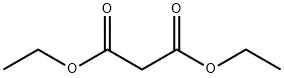
Dimethyl malonate and diethyl malonate have very similar chemical properties; both are reactive methylene compounds, so their core applications overlap significantly. The main differences are as follows:
Methyl esters are generally slightly more reactive and offer advantages in certain specific synthetic routes (such as the non-ethoxymethacrylate process for producing piperic acid).
Ethyl esters may have a slightly broader range of industrial applications due to the relatively lower cost of ethanol, their raw material.
 BINHAI


Copyright © 2026 by Weifang Binhai Petro-Chem Co., Ltd.